Water damage is stressful from the start. You may be dealing with standing water, wet flooring, a leaking pipe, or damage spreading through the home while also trying to understand what insurance will cover.
For many homeowners, the biggest worry is making the wrong move. Should you call insurance first? Can you start cleanup before the adjuster arrives? What happens if the claim is denied?
The good news is that you do not need to figure it all out alone. A professional mitigation company can help stop further damage, document the loss, and guide the emergency cleanup process while your insurance claim is being reviewed.
Why Fast Response Is Critical for Insurance Approval
After water damage, insurance companies generally expect homeowners to take reasonable steps to prevent the damage from getting worse. This is called mitigation. If cleanup is delayed, the insurer may question whether some of the damage could have been avoided.
If water sits too long, damage can spread and become more expensive to repair. Waiting can also make the claim harder to document because it becomes less clear what happened right away and what got worse over time.
Fast response can help:
- Limit additional damage
- Support your insurance documentation
- Reduce the risk of mold or odor issues
- Protect unaffected areas of the home
- Start the drying process quickly
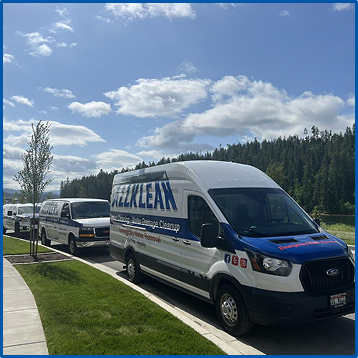
AllKlean offers under-1-hour emergency response for water damage in Spokane, Coeur d’Alene, Post Falls, Hayden, and surrounding areas.
Step 1: Stopping the Water and Identifying the Cause
The first step is to stop the water source, if it is safe to do so. This might mean turning off the supply line to a fixture, shutting off the main water valve, or avoiding the affected area until help arrives.
Insurance companies often want to know what caused the water damage. A sudden pipe break, appliance leak, or water heater failure may be handled differently than a long-term leak or outside flooding.
Leak Detection Support
Not every leak is easy to find. Moisture may appear around flooring, walls, ceilings, or cabinets before the source is obvious. AllKlean can help identify affected areas and support the leak detection process so the right next steps can be taken.
Plumber Coordination
If the issue requires a plumbing repair, a plumber may need to fix the source before restoration is completed. The plumber handles the repair, while the mitigation team handles water removal, drying, and documentation.
Step 2: Immediate Mitigation to Protect Your Claim
Once the water source is controlled, water damage restoration should begin quickly. This is the emergency cleanup stage that helps prevent further damage.
Mitigation may include:
- Water extraction
- Moisture mapping
- Drying equipment setup
- Dehumidification
- Protecting unaffected areas
- Removing damaged materials when needed
Professional mitigation helps create a clear drying plan based on where moisture is actually present, not just what looks wet on the surface.
Step 3: Documentation Required for Insurance Approval
Good documentation can make the insurance process much easier. Your adjuster needs to understand what happened, where the damage occurred, and what work was needed to protect the home.
Homeowners should take photos and videos as soon as possible, if it is safe. A mitigation company can also document the job with:
- Photos and videos of the affected areas
- Moisture readings
- Drying logs
- Equipment usage records
- Before-and-after photos
- Notes on affected rooms and materials
Documentation does not guarantee approval, but it can help reduce confusion and give your insurance company a clearer record of the loss.
Step 4: Drying, Cleaning, and Verifying the Home Is Safe
A room can look dry before it actually is. Moisture may remain under flooring, behind baseboards, or inside wall cavities, which is why professional drying should not be rushed.
AllKlean follows industry-recognized drying practices, including IICRC standards, to help dry affected materials properly. Throughout the process, moisture levels may be checked and equipment may be adjusted as needed.
Final verification helps confirm that the affected areas have dried properly before repairs move forward.
Step 5: How a Mitigation Company Handles the Insurance Process
A mitigation company can help make the insurance process less stressful by providing the documentation your adjuster needs.
This may include:
- Communicating with the adjuster
- Submitting photos, drying logs, and job documentation
- Explaining the emergency scope of work
- Providing supplements if additional damage is found
- Helping clarify mitigation billing
Your insurance company still makes the final coverage decision. But having organized documentation from the start can make the process smoother and reduce the chance of missing information.
Why Local Water Mitigation Companies Respond Faster Than Insurance
Insurance companies are important, but they are not emergency responders. It may take time to reach an adjuster, schedule an inspection, or receive claim guidance.
A local water mitigation company can respond quickly to stabilize the home while the insurance process begins. For homeowners in Spokane, Coeur d’Alene, Post Falls, Hayden, and nearby communities, that local response can help limit damage and start documentation right away.
You should still call your insurance company as soon as possible. But when water is actively damaging your home, cleanup should not wait on paperwork.
Why Homeowners Choose AllKlean
When water damage happens, homeowners need fast help, clear answers, and a team that understands how to document the job for insurance. AllKlean helps homeowners in Spokane, Coeur d’Alene, Post Falls, Hayden, and surrounding areas respond quickly and take the right next steps after a leak, flood, or plumbing-related water loss.
Homeowners choose AllKlean because we offer:
- Under-1-hour emergency response for local water damage calls
- Leak detection help to identify affected areas and support the next steps
- Full documentation, including photos, moisture readings, drying logs, and equipment records
- Insurance process support to help reduce confusion and avoid out-of-pocket surprises when possible
Water damage can feel overwhelming, especially when insurance is involved. AllKlean helps make the process clearer by responding quickly, starting mitigation, and providing the documentation needed to support your claim.
Contact AllKlean now for emergency water damage restoration today!
Frequently Asked Questions
Homeowners insurance may cover sudden and accidental water damage, such as a burst pipe, appliance leak, or water heater failure. Long-term leaks, poor maintenance, and outside flooding may not be covered.Failure to mitigate means not taking reasonable steps to prevent more damage after discovering the problem. Waiting too long to remove water or dry affected materials can make a claim more complicated.Yes. If water is actively damaging your home, mitigation should begin quickly. You should still report the claim to your insurance company as soon as possible.Photos, videos, moisture readings, drying logs, equipment records, and before-and-after documentation can all help show what happened and what work was performed.AllKlean can provide documentation, communicate with the adjuster, and support the mitigation portion of the claim. Your insurance company makes the final decision about coverage.