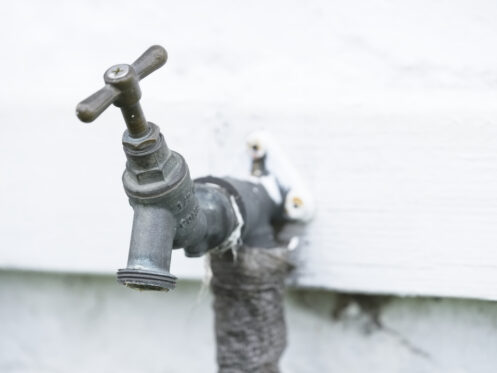
As winter fades across the Northwest, homeowners begin preparing their homes for warmer weather. One of the first seasonal tasks is turning outdoor water systems back on. Whether you are watering your lawn or washing your car, restoring water flow to your hose bib is a sure sign that spring has arrived.
However, this simple step can reveal hidden damage caused by freezing winter temperatures. Taking a few precautions before turning your water back on can help you avoid unexpected leaks and costly water damage.
Why Hose Bibs Are Vulnerable
Hose bibs are one of the most exposed parts of your plumbing system. In areas like Spokane and North Idaho, where winter temperatures regularly drop below freezing, these exterior fixtures are especially at risk.
When water is left inside the line during freezing conditions, it expands and creates pressure within the pipe. This pressure can weaken the material or cause small cracks that are not immediately visible. Even if a pipe does not burst during winter, the damage may still be present. Once water flow is restored in the spring, those weak points can fail and lead to leaks or flooding.
Hidden Leaks Inside Walls
One of the biggest concerns with hose bib damage is that leaks are often hidden. Unlike indoor plumbing, outdoor connections do not always provide clear warning signs.
A small crack in the pipe can allow water to seep slowly into the wall cavity. Over time, this moisture can damage insulation, weaken framing, and create conditions for mold growth. Many homeowners in the Spokane Valley and surrounding communities do not notice a problem until they see staining on walls or detect a musty odor.
Understanding Frost Free Hose Bibs
Many homes throughout Coeur d’Alene and Post Falls area are equipped with frost free hose bibs, which are designed to reduce the risk of freezing. These fixtures shut off water deeper inside the home where temperatures remain warmer.
While these systems are helpful, they are not foolproof. Leaving a hose attached during winter can trap water inside the fixture. Mineral buildup or worn components can also prevent proper drainage.
In some cases, improper installation can allow water to remain in the pipe. Even frost free hose bibs can develop internal damage that is not visible from the outside, making it important to inspect them each spring.
Common Causes of Spring Pipe Bursts
Several factors can contribute to pipe failure when turning your hose bib back on in the spring. This is especially true after long winters common in Eastern Washington and North Idaho.
One of the most common causes is a sudden increase in water pressure. Turning the water supply on too quickly can stress weakened pipes and cause them to fail.
Another issue is lingering ice within the line. If frozen sections remain, pressure can build up behind them and lead to a rupture. Leaving a hose attached over winter can also prevent proper drainage and increase the risk of damage.
Seasonal ground movement from freezing and thawing can also shift pipes and stress connections near your home’s foundation. Older homes in established neighborhoods may be more vulnerable due to aging piping materials.
How to Safely Turn Your Hose Bib Back On
Before turning on your outdoor water supply, take a few minutes to inspect the area. Look for visible cracks, corrosion, or signs of wear around the hose bib. Check for gaps where the pipe enters the wall and watch for any moisture near your foundation.
When you are ready to restore water flow, do so slowly. Gradually opening the valve helps reduce sudden pressure changes. As water begins to flow, monitor the area closely for leaks, dripping, or unusual sounds.
If possible, check the interior side of the wall where the pipe runs. Catching a leak early can help prevent more extensive damage.
What to Do If You Suspect a Problem
If you notice damp spots, reduced water pressure, or musty odors after turning on your hose bib, there may be hidden damage within your plumbing system. Even a small leak can lead to significant issues if left untreated.
Quick action is especially important in this region, where moisture can linger and contribute to mold growth inside walls and crawl spaces.
Water Damage Restoration You Can Rely On
When a pipe bursts or a leak causes water damage, a fast response is essential. Moisture that is not properly removed can lead to structural issues and long term damage.
Allklean Water Removal and Carpet Cleaning provides professional water damage restoration services for homeowners throughout Spokane, Coeur d’Alene, Post Falls, and surrounding communities. Our team uses specialized equipment to remove moisture, dry affected areas, and help restore your home as efficiently as possible.
If you suspect a hidden leak or experience water damage after turning on your hose bib, contact our team to schedule service and protect your home from further damage.