Wintry conditions lead to tracked-in slush, burst pipes, and the occasional appliance leak in your home. When carpet gets wet, your first instinct might be to grab towels, turn up the heat, and set a few fans in motion. This can promote surface drying, yet moisture often travels deeper than you think.
Why Wet Carpets Need Immediate Attention
When carpet gets wet, water travels downward into the padding and can even reach the subfloor underneath. If that moisture stays trapped, it can begin affecting the materials below. Wood subfloors may swell. Laminate edges can lift. Baseboards can wick water upward and begin to stain or separate.
Time matters more than most homeowners realize. Within the first 24 hours, drying efforts can significantly limit damage. After that window, trapped moisture creates conditions that allow odor and material deterioration to develop. Even clean water from melting snow or a supply line leak can become a major problem if it remains too long.
Why Winter Makes Drying More Complicated
Drying carpet in winter presents challenges that do not exist in warmer months. Homes stay closed to keep heat inside, which limits airflow. Even if you run fans, the surrounding air may already hold moisture from melting snow and daily indoor activities. Without proper circulation and humidity control, water in the padding evaporates slowly.
Entryways, hallways, and mudrooms may stay damp for days as slush and snow melt. You might dry one section only to have new moisture introduced the next day. This cycle can quickly increase the risk of mold growth.
Pipes are also more vulnerable to freezing during winter, especially those located near exterior walls, inside cabinets, or in unheated spaces like garages and attics. When water inside a pipe freezes, pressure builds and can cause the pipe to burst. If this happens, water can spread into carpeted areas before you notice visible damage. Winter conditions increase the risk that damp areas linger longer than expected, particularly when additional snow and ice are tracked indoors.
How Mold Can Develop Beneath Wet Carpet
When carpet and padding stay damp, mold can begin forming along the underside of the padding and on the subfloor surface. You may never see visible growth on top, yet spores can spread underneath where airflow is limited. Mold growth can permanently stain materials and trigger allergy symptoms such as congestion, sneezing, and throat irritation. Once mold develops, surface drying is no longer enough. Affected materials often require professional remediation.
How to Spot Moisture Damage
A carpet can feel dry on top while remaining wet underneath. If you step on an area and feel slight squishing or softness, that often signals water in the padding. If padding is exposed to repeated wet-dry cycles, its structure may begin to break down. You may find padding that crumbles easily. Furniture legs may also leave deeper impressions in a recently wet section. A faint musty smell can indicate moisture and mold trapped below.
Look at the edges of the room as well. Baseboards may show slight discoloration or separation. Paint may begin peeling. Tack strips along the wall can rust when exposed to prolonged moisture. When dampness extends under walls or cabinetry, effective drying becomes difficult without specialized equipment.
Why Hidden Moisture Can Affect Indoor Air Quality
Wet carpet does more than damage flooring materials. When moisture remains trapped in padding or subfloor layers, it can begin to affect the air you breathe. Damp environments allow organic material, such as dust and debris in carpet fibers, to support the growth of bacteria and mold. As rooms warm up—especially during winter when heating systems run steadily—trapped moisture can release musty odors into the air.
You may notice that a room smells stale even after carpet cleaning. The air may feel heavier in that space compared to the rest of the home. In colder months, windows stay closed and ventilation decreases, allowing odors and airborne particles to linger longer indoors. Professional drying not only protects flooring materials but also supports healthier indoor conditions. Removing moisture completely helps prevent lingering smells and reduces the likelihood that damp materials affect comfort throughout the home.
When Towels and Fans Aren’t Enough
Surface drying methods can help with minor spills, yet larger water events require deeper extraction. Household fans move air across the top of the carpet, but they do not remove water trapped in the padding. Turning up the heat may speed surface evaporation, but it can also raise indoor humidity, slowing overall drying if moisture has nowhere to escape.
If the carpet has been wet for more than a few hours, or if the water source involved a burst pipe, overflowing appliance, or sewer backup, professional water extraction is the safer choice. Industrial equipment removes moisture from both the carpet and padding. Moisture meters help identify hidden wet zones that are not visible. This structured drying process reduces the risk of lingering dampness that can weaken flooring materials or create long-term odor issues.
What Happens During Professional Water Mitigation
Professional mitigation begins with assessing the affected area and determining the extent of the moisture. Technicians evaluate not only the visible wet areas but also surrounding flooring, walls, and subfloor materials. High-powered extraction equipment removes standing water and draws moisture from deep within carpet layers. In some cases, sections of padding may need to be removed if saturation is extensive.
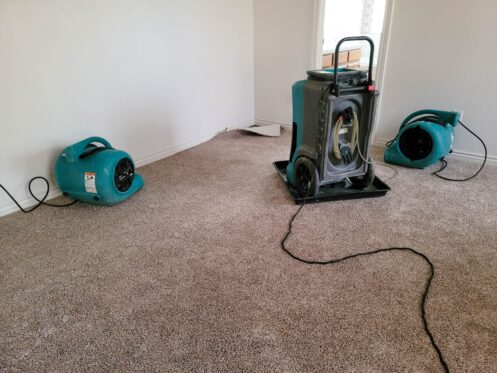
After extraction, fans and dehumidifiers are positioned to create controlled airflow. The goal is to pull moisture from materials while reducing indoor humidity. Monitoring continues throughout the drying process to confirm that moisture levels return to acceptable standards. Addressing the issue thoroughly helps protect framing, insulation, and adjacent rooms from secondary damage that may not appear immediately.
If you notice that a damp area keeps returning, spreads outward, or smells unusual after drying attempts, it’s time to consider professional evaluation. Proper water extraction and restoration reduce the likelihood that winter moisture leads to the need for carpet repair. Taking moisture seriously—especially during winter months—helps protect both your flooring and the structure beneath it.
Protecting Your Home After a Winter Water Incident
At Allklean Water Removal and Carpet Cleaning in Spokane, WA, we provide professional water mitigation services along with plumbing repair and leak detection to identify the source of winter moisture problems. We also inspect surrounding areas to confirm that hidden dampness is not present behind walls or beneath flooring. If your carpet has been wet for more than a few hours, or the affected area continues to return or expand, schedule a professional evaluation with Allklean Water Removal and Carpet Cleaning.